Colour · the moves
Grading techniques, one node at a time.
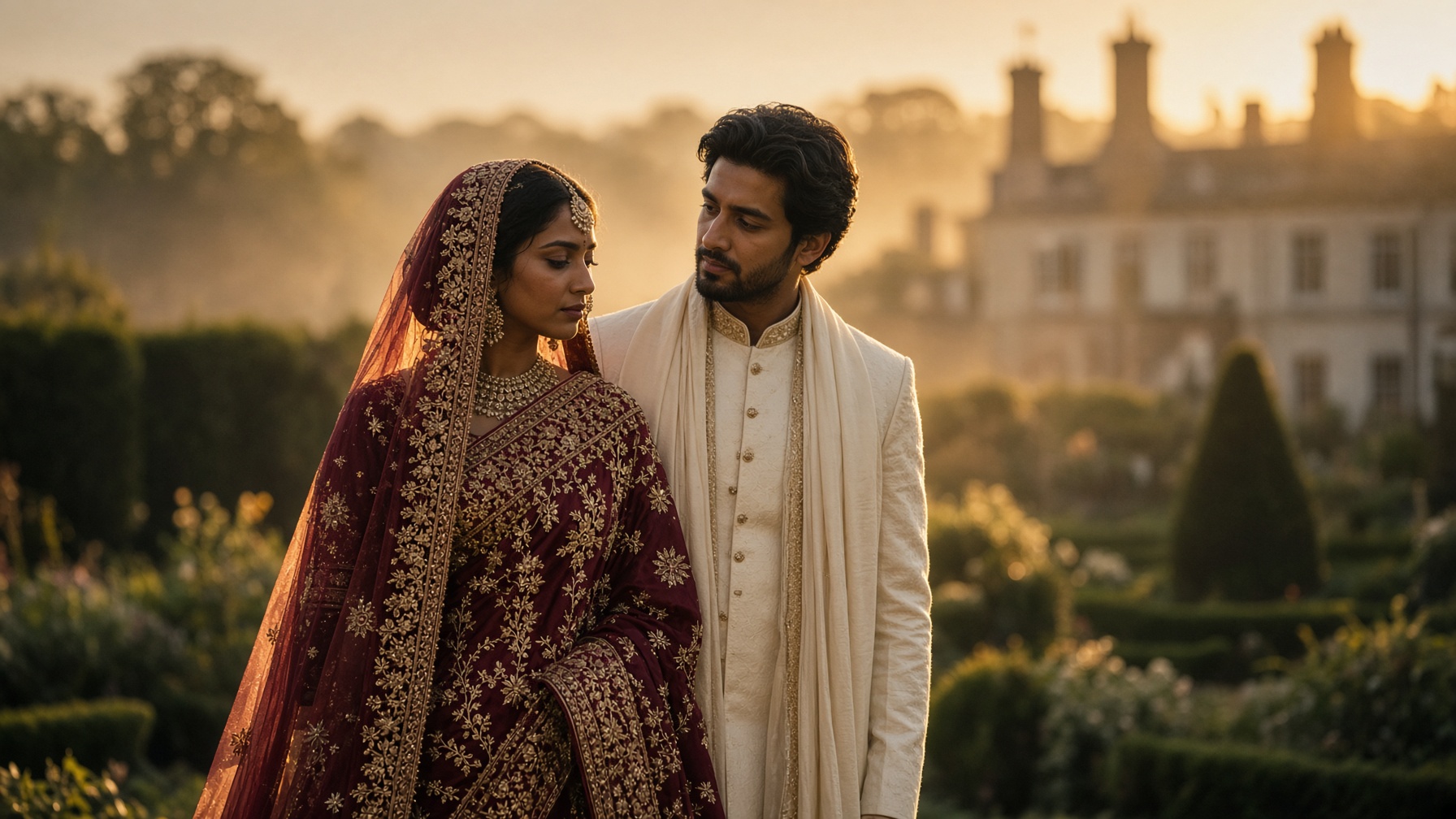
Six moves for an Asian wedding grade. Each one is the mistake beside the correction. The picture is a screen approximation. The node order is what you build.
A node is a step, not a slider.
In a node graph the grade is a chain of pictures. Each node takes the image from the node before it and hands a new one on. Switch one off and the rest remain. Skin and red run in parallel off the balance, so neither inherits the other’s correction.
Temperature, tint, exposure. A white shirt becomes white, and you expose for the darkest face you need. Every node after this one sees this picture, not the raw one.
Sliders against nodes
Same intent on the same frame: calm the skin, keep the lehenga. The slider does both with one control. The node does them apart.
What you touch
One stack. Saturation, contrast, and warmth all see the whole frame.
One job per node. Balance, then a skin key, then a red key, then the look.
Skin and lehenga
Calmer skin means less red. The dress fades with the face.
Skin saturation comes down. Cloth red, in its own window, stays or comes up.
Taking it back
Resetting contrast does not restore a hue you moved underneath it.
Switch off the red node. The skin correction is still there.
Two cameras
A look copied onto each clip drifts every time you trim one.
Match the bodies in a group. One show node sits after both.
When it is enough
A speech, a single room, no red cloth, no second body.
A fourteen-hour wedding, a family of complexions, and a dress that must stay red.
Slider · Skin
#8d5524 → #735a44
Node · Skin
#8d5524 → #84572e
Slider · Lehenga red
#8c1c1c → #5b2929
Node · Lehenga red
#8c1c1c → #961618
A look on an unbalanced shot is a different white point in every room. Correct the hall first. The show grade is the second node, and it is small.
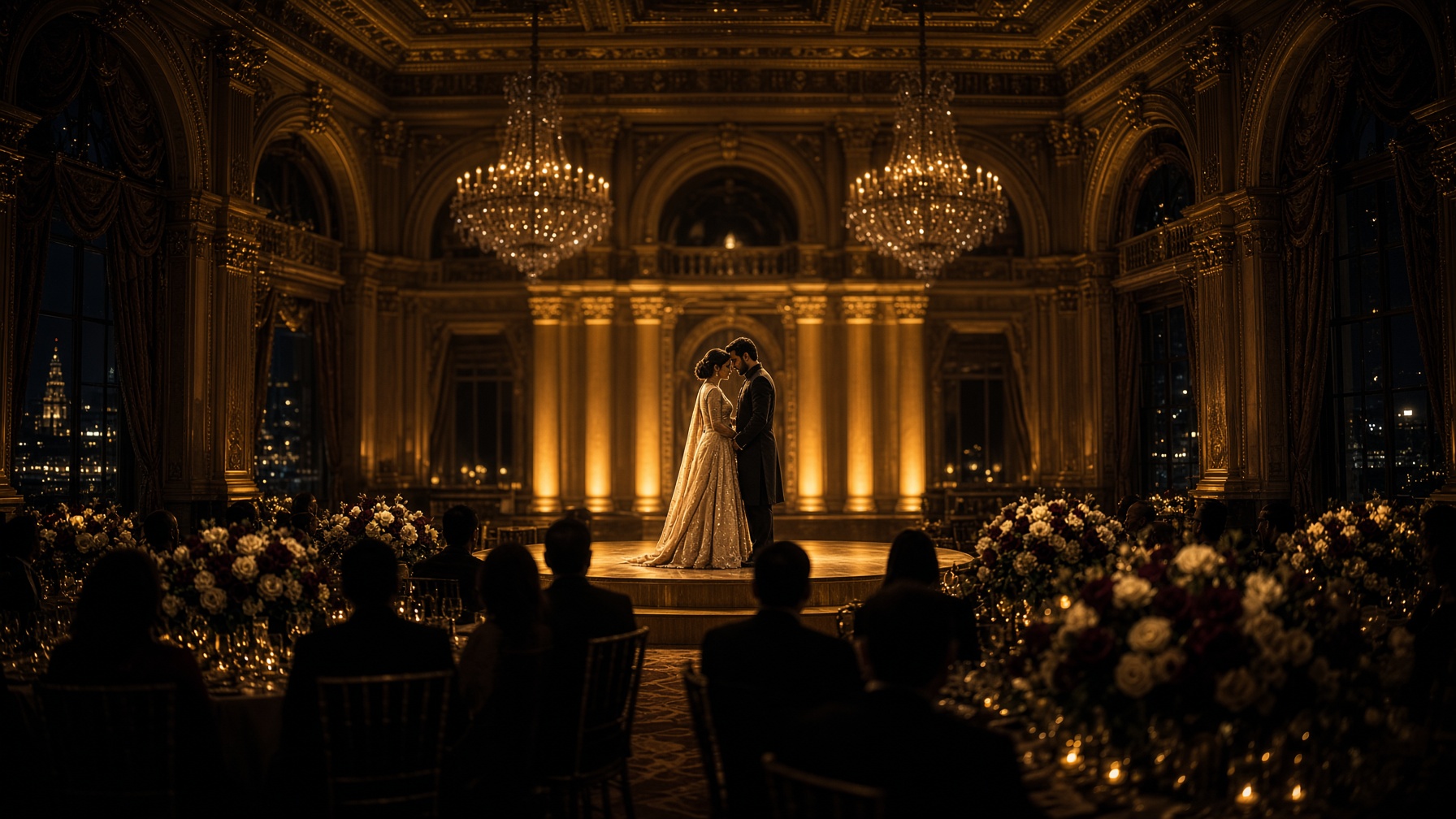
Contrast and a teal shadow on a London hall that was never balanced. Faces go grey. The lehenga goes brown.
Warm the white balance until the faces are faces. Then add contrast around them, not through a preset.
Hue line · teal to cloth red
The mistake
The move
- 01Node 1 — primary: temperature and tint until a white shirt is white and a face is not green.
- 02Node 2 — exposure for the darkest face you need in the shot.
- 03Node 3 — the show look. Contrast no more than you would dare on the nikah.